Why Aging-in-Place Is Crucial for Canada’s Capital City
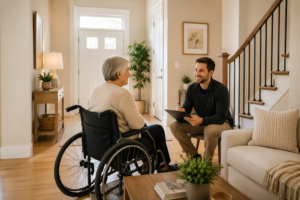
Aging-in-place is a fundamental approach to maintaining independence, safety, and well-being for seniors. Referring to the ability of older adults to live safely, comfortably, and autonomously in their own homes and communities as they age, the advantages are clear. Remaining in familiar surroundings supports mental health, allows for personalized routines, reduces the stress of relocation, and maintains social connections.
In Ottawa, aging in place has growing importance. According to Statistics Canada (2022), more than 15% of Ottawa’s population is aged 65 or older, and this number is projected to rise sharply over the next two decades. With this increase, the demand for accessible housing, safety-oriented renovations, and supportive community environments is higher than ever.
Why Home-Based Independence Matters
Research shows that seniors who age in place tend to have:
- Improved physical and mental health: Familiar surroundings reduce confusion and anxiety.
- Enhanced autonomy: Seniors maintain control over daily activities such as cooking, bathing, and social interactions.
- Cost savings: Home adaptations are often significantly cheaper than assisted living or long-term care.
- Community engagement: Remaining in neighborhoods encourages social interaction, participation in events, and volunteerism.
However, aging in place is not without challenges. Many Ottawa homes are older, featuring narrow hallways, multiple staircases, small bathrooms, and limited accessibility, making fall risk and mobility limitations significant concerns. Effective planning, renovations, and supportive community networks are critical to safely aging in place.
Ottawa-Specific Demographics and Housing Context
Understanding local demographics is essential for seniors, caregivers, and homeowners planning to age in place.
- Population aging: By 2030, nearly one in five Ottawa residents will be over 65, representing a substantial increase in seniors needing home safety adaptations.
- Health risks: Falls are the leading cause of injury among older adults. The Canadian Institute for Health Information (2022) reports over 1,500 fall-related hospitalizations for seniors in Ottawa each year, many of which result in long-term mobility limitations.
- Housing stock challenges: Ottawa’s older neighborhoods often include houses with multiple levels, small bathrooms, and limited accessibility options. Newer communities, like Tay Ridge Village, integrate accessibility by design, providing safer, senior-focused housing.
With these factors in mind, seniors in Ottawa require a holistic approach to aging in place, combining home modifications, technology, funding strategies, and community engagement.
Part 1: Planning Your Aging-in-Place Journey
What you will learn…
- What is ‘aging-in-place’?,
- Aging-in-place in Ottawa,
- Initial planning, and
- Room-by-room inspection strategies.
Aging in place begins with careful planning. Proper planning ensures safety, cost efficiency, and alignment with long-term lifestyle goals.
Conducting a Home Assessment
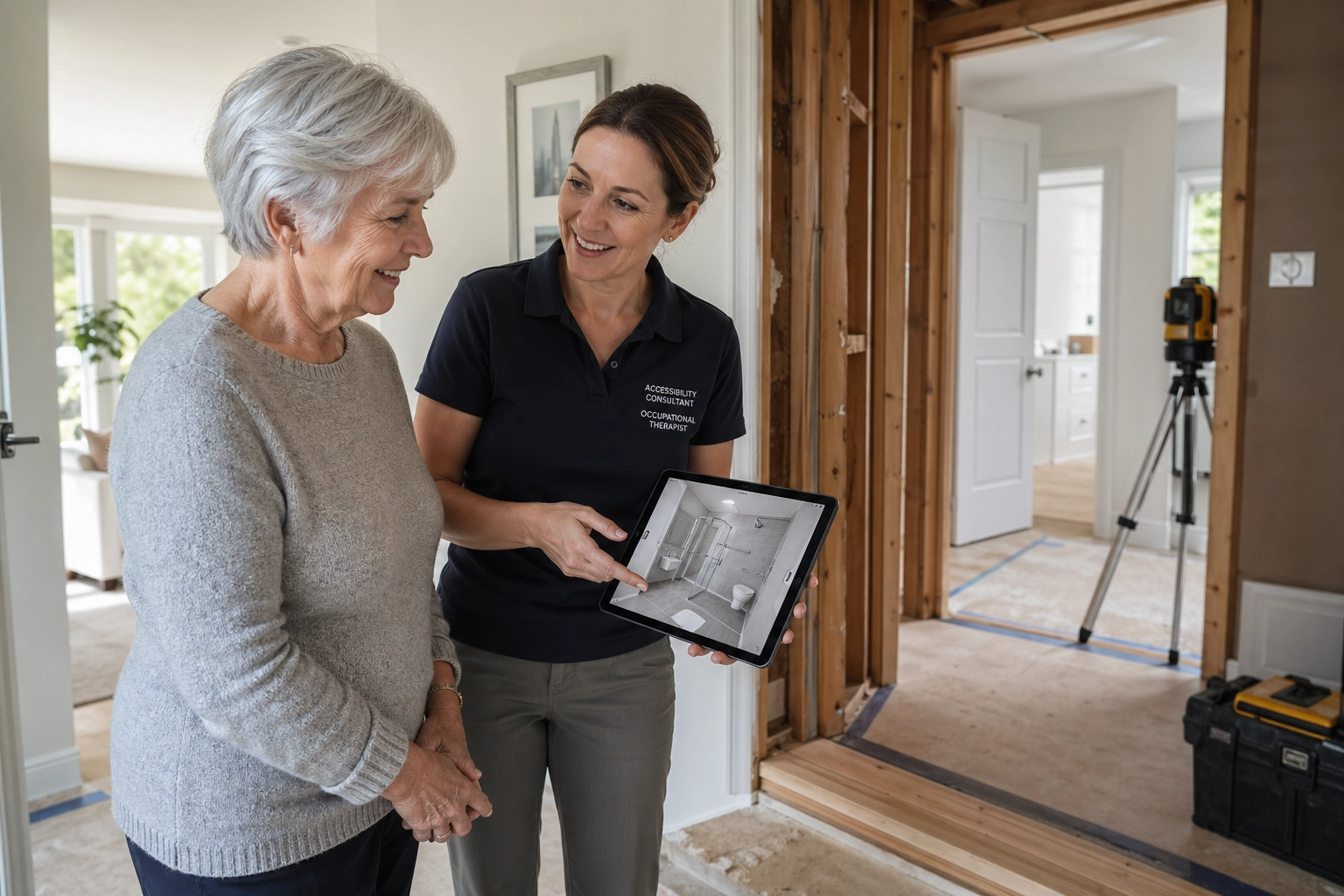
The first step is a comprehensive home assessment, which identifies hazards, accessibility challenges, and renovation priorities. These assessments can be conducted by:
- Occupational therapists (OTs): Experts in evaluating mobility, cognitive function, and daily living activities.
- Certified accessibility contractors: Professionals specializing in aging-in-place renovations.
- Self-assessment tools: While helpful, DIY assessments cannot fully replace professional expertise, particularly for funding eligibility (📌 Check out our comprehensive self-assessment cheat sheet checklist at the end of the guide!).
Prioritizing Renovations
After assessment, renovations should be prioritized according to urgency, safety, and cost:
- Immediate (0–3 months): Grab bars, improved lighting, non-slip flooring
- Medium-term (3–12 months): Roll-in shower, lever-style handles, widened doorways
- Long-term (12+ months): Kitchen redesign, stair lifts, outdoor ramps
Prioritization ensures seniors maximize safety while managing budget and disruption.
Budgeting and Planning
Effective budgeting includes:
- Cost estimates for renovations, materials, and labor
- Potential funding sources (Ontario Renovates, HATC, municipal grants)
- Phased approach to reduce immediate financial burden
- Contingency planning for unexpected issues during renovation
Part 2: Room-by-Room Aging-in-Place Renovations
What you will learn…
- Adjustments for bedrooms, stairways, and outdoor spaces,
- Technology integration and smart home options,
- Detailed funding, grants, and tax credit guidance, and
- Seasonal maintenance strategies.
The next step is detailed, room-by-room guidance. Each section will include multiple design options, safety considerations, and Ottawa-specific context.
📌 All renovations and home modifications should consider:
Regular Home Checks
- Inspect handrails, flooring, and grab bars for wear.
- Test lighting and technology systems quarterly.
- Review furniture arrangements for new safety hazards
Adaptations Over Time
- Seniors’ needs evolve; modifications may need updating
- Consider adjustable furniture, counters, and modular storage
Entrances and Hallways
The entrance is the first point of safety. Seniors face increased fall risk when negotiating steps, uneven paths, or poorly lit areas.
- Ramps: Covered and non-slip ramps reduce slip hazards, especially during Ottawa winters.
- Handrails: Secure handrails on both sides of stairs and ramps.
- Lighting: Motion-activated lights illuminate pathways at night or during low visibility.
- Clutter-free paths: Remove furniture, decorative items, and loose rugs to minimize tripping hazards.
Case Example: Mr. and Mrs. Smith, Ottawa residents, installed a covered ramp and dual handrails at their front entrance. Motion-activated lighting reduced nighttime fall risks, particularly during snowy months.
Living Areas
Living rooms and common spaces must accommodate mobility aids while remaining comfortable.
- Furniture arrangement: Maintain at least 36 inches for walker or wheelchair movement.
- Stable seating: Chairs with armrests and firm cushions support transfers.
- Lighting: Consider both natural light and motion-activated LED lights for evening use.
- Technology integration: Smart plugs, voice-controlled lights, and safety alarms enhance independence.
Story Example: Margaret, 72, rearranged her living room to allow unobstructed paths. Motion-activated lighting, combined with smart home voice commands, enabled her to navigate safely at night without assistance.
Kitchen
The kitchen is a hub for daily activity and requires careful planning.
- Accessible counters: Adjustable height or pull-down counters allow seated cooking or safe standing.
- Appliance placement: Frequently used items and appliances should be between waist and shoulder height.
- Cabinetry: Pull-out drawers or pull-down shelves reduce the need for reaching and bending.
- Flooring: Non-slip surfaces reduce fall risks.
- Lighting: Shadow-free, bright task lighting is essential over stoves and counters.
Example: In Tay Ridge Village, kitchens are designed with open layouts, pull-down shelving, and under-counter appliances for universal accessibility.
Bathroom
Bathrooms are among the highest-risk areas for falls.
- Grab bars: Securely installed near toilets, tubs, and showers.
- Walk-in or roll-in showers: Reduces risk compared to traditional tubs.
- Seating: Fold-down benches or shower chairs support independent bathing.
- Raised toilets: Facilitate safe transfers.
- Non-slip flooring: Waterproof and textured flooring reduces slips.
- Lighting: Bright, shadow-free illumination with nightlight options.
💰 Funding Tip: Bathroom modifications often qualify for Ontario Renovates or the HATC, reducing out-of-pocket costs.
Bedrooms and stairways are high-risk areas for seniors. This is especially worrisome since the bedroom can be where many seniors spend their time and it can be difficult finding alternatives to the stairs, especially at home. Proper bedroom design enhances safety, accessibility, and comfort, comprehensive and special attention to outdoor safety – particularly in winter – reduce falls and support independence Seniors should consider:
modifications reduce falls and support independence.
Bedroom Modifications
Bedrooms are where seniors spend a significant portion of their time. Proper bedroom design enhances safety, accessibility, and comfort.
Bed Height and Accessibility
- Optimal bed height: Generally, 20–23 inches from the floor to the top of the mattress allows safe transfers from wheelchairs or walkers.
- Bed rails or support handles: Provide additional stability for getting in and out of bed.
- Adjustable beds: Motorized beds can adjust height and incline, improving comfort for seniors with mobility limitations or chronic pain.
Lighting and Navigation
- Nightlights: Motion-activated lights along the path to the bathroom prevent nighttime falls.
- Layered lighting: Overhead, task, and bedside lamps allow control of illumination for reading and movement.
- Smart lighting: Voice-controlled or app-based lighting reduces the need to walk in the dark to operate switches.
Furniture Placement
- Maintain clear pathways of at least 36 inches for mobility aids.
- Avoid furniture with sharp corners that could cause injury during a fall.
- Ensure essential items—medications, water, phone—are easily accessible from the bed.
Storage Considerations
- Use drawers, shelves, and wardrobes at reachable heights to avoid bending or stretching.
- Pull-out or roll-out storage solutions are ideal for seniors with limited flexibility.
Case Example: Margaret, a Tay Ridge Village resident, moved her dresser closer to her bed and installed a motorized bed. Combined with motion-activated lighting, she now moves safely from bedroom to bathroom at night without assistance.
Stairway Modifications
Stairways are high-risk areas for seniors. Comprehensive modifications reduce falls and support independence.
Handrails and Treads
- Handrails should be installed on both sides, continuous from top to bottom.
- Non-slip stair treads, rubber strips, or carpet runners prevent slips.
- High-contrast stair edges enhance visibility, especially for seniors with vision impairment.
Stair Lifts
- Motorized stair lifts allow safe travel between floors without strain.
- Options include straight, curved, and outdoor stair lifts.
- Consider weight capacity, speed, and safety features (seat belts, swivel seats).
- Costs vary from $6,000 to $13,000 depending on complexity.
Lighting and Safety
- Well-lit staircases reduce fall risk.
- Motion-activated lights or nightlights improve visibility during low-light conditions.
Outdoor Spaces and Accessibility
Ottawa’s climate demands attention to outdoor safety, particularly in winter. Seniors should consider:
Ramps and Entrances
- Ramps should have a gentle slope (ideally 1:12) and non-slip surfaces.
- Covered ramps prevent ice accumulation.
- Handrails on both sides improve stability.
Pathways and Lighting
- Ensure paths are clear of debris and snow.
- Motion-activated lights increase visibility during winter evenings.
- Reflective markers help identify edges of paths.
Seasonal and Maintenance Considerations
Even after renovations, ongoing maintenance is critical to safety and longevity:
Winter Safety – Snow & Ice Management
- Shovel snow promptly.
- Regular shoveling or hiring professional snow removal services reduces fall risk.
- Heated outdoor mats or salt treatments prevent ice accumulation.
- Ensure entrances and walkways remain well-lit.
Strategies for Seasonal and Maintenance
Even after renovations, maintaining an aging-in-place home is critical:
- Quarterly inspections: Check flooring, handrails, and lighting for wear
- Technology updates: Replace batteries, update software, and test emergency devices
- Climate-specific considerations: Ottawa winters require snow/ice management, salting pathways, and ensuring covered entrances
- Furniture review: Adjust layout as mobility changes; remove obstacles and sharp-edged furniture
📌 Seniors or caregivers can create a maintenance calendar to schedule seasonal checks and updates systematically.
BONUS: Technology Integration & Advanced Solutions for Aging-in-Place
Technology enhances independence, safety, and quality of life for seniors aging in place.
Smart Home Devices
- Voice-activated assistants: Control lights, appliances, security systems, and thermostats.
- Automated lighting: Motion sensors reduce the risk of trips and falls at night.
- Remote monitoring: Family members can monitor activity patterns for early intervention if needed.
Fall Detection and Emergency Response
- Wearable sensors: Detect falls and automatically alert caregivers or emergency services.
- Medical alert systems: Include buttons for immediate assistance in case of emergencies.
- Smart watches and bracelets: Track movement, heart rate, and daily activity to monitor health trends.
Cost Considerations
- Basic systems: $100–$300 (medical alert systems)
- Advanced smart home integrations: $1,500–$5,000, including devices and installation
- Many products qualify for partial funding under HATC or other senior assistance programs
Example: In Tay Ridge Village, several residents use integrated smart home systems with voice-activated lighting, smart thermostats, and emergency alert buttons, enabling safe, independent living with family peace of mind.
Renovation Funding, Grants, and Tax Credit Guidance
Financing renovations can be daunting. Understanding Ottawa-specific programs ensures seniors maximize funding opportunities.
Ontario Renovates Program
- Eligibility: Seniors with low-to-moderate income
- Coverage: Home accessibility renovations including bathroom, kitchen, ramp, and stair lift installations
- Application: Through municipal housing departments
- Tip: Complete a professional home accessibility assessment to support the application
Home Accessibility Tax Credit (HATC)
- Eligibility: Seniors 65+ or persons with disabilities
- Maximum Credit: Up to $10,000 of eligible expenses per year
- Covered Expenses: Grab bars, ramps, stair lifts, walk-in tubs, accessible flooring
- Claiming Tips: Maintain detailed invoices and documentation
Municipal and Non-Profit Support
- Some Ottawa municipalities offer grants for home safety modifications.
- Non-profit organizations may provide low-cost or subsidized renovation services for low-income seniors.
Example Scenario: Margaret applied for Ontario Renovates funding and HATC. She upgraded her bathroom with a walk-in shower, non-slip flooring, and grab bars at minimal personal cost.
Part 3: Community Engagement and Social Support
Aging in place is not only about home safety—it also involves social, emotional, and community connections. Seniors who engage with their communities report better mental health, lower rates of depression, and longer life expectancy.
Community Benefits of Tay Ridge Village
Tay Ridge Village provides a model for senior-focused communities:
- Shared amenities: Community gardens, libraries, wellness centers, and multipurpose rooms encourage social interaction.
- Events and programming: Exercise classes, craft workshops, and discussion groups reduce isolation.
- Peer support: Neighbors form informal networks for sharing resources, caregiving, and companionship.
- Emergency preparedness: On-site support staff and coordinated systems provide rapid response in emergencies.
Example: Joan, living in Tay Ridge Village, participates in weekly yoga and group cooking classes. The combination of physical activity and social interaction has improved her mobility and reduced feelings of isolation.
Social Engagement Strategies for Independent Seniors
Even outside of purpose-built communities, seniors can foster connection:
- Local clubs and organizations: Ottawa Seniors’ Centre, libraries, volunteer programs
- Faith-based or cultural groups: Offer regular social activities
- Neighbourhood networks: Establishing phone trees, meal swaps, or walking groups
- Online communities: Video calls, social media groups, and forums can supplement in-person engagement
Maintaining connections ensures emotional wellness, cognitive stimulation, and a stronger support system.
Mental Health and Wellness Considerations
Aging-in-place involves you head & heart health, it is not always about making just physical modifications:
Cognitive Health
- Engage in mentally stimulating activities such as puzzles, reading, or language learning
- Participate in community workshops, educational lectures, or discussion groups
Emotional Well-Being
- Ensure regular interaction with family, friends, or caregivers
- Address signs of depression or anxiety early with professional support
- Consider therapy, counseling, or peer support groups
Physical Wellness
- Exercise regularly: walking, yoga, low-impact resistance training
- Maintain a balanced diet
- Attend preventive health check-ups and screenings
Case Example: Margaret integrated weekly Tai Chi classes in her community, improving balance, reducing fall risk, and fostering friendships.
Case Studies: Aging in Place in Ottawa
These real-world examples illustrate the application of strategies, renovations, and community solutions:
Case Study 1: The Smiths
- Background: Retired couple in Ottawa with mobility challenges
- Modifications: Bathroom grab bars, stair lift installation, non-slip flooring
- Technology: Motion-activated lighting, voice-activated smart devices
- Community Engagement: Participates in neighborhood walking group and local senior programs
- Outcome: Remained independent for 3+ years post-renovation, reduced falls, improved quality of life
Case Study 2: Joan – Tay Ridge Village
- Background: 78-year-old retiree living alone
- Modifications: Outdoor ramp, bathroom accessibility upgrades, smart home system
- Technology: Emergency alert system, motion-activated lighting, voice-controlled appliances
- Community Engagement: Weekly social classes, volunteer coordination
- Outcome: Maintained independence, reduced stress for family, and enhanced social life
Case Study 3: Margaret
- Background: 72-year-old widow in older Ottawa home
- Modifications: Rearranged furniture, non-slip flooring, improved lighting
- Technology: Smart lights and fall detection sensors
- Community Engagement: Local library clubs, virtual wellness programs
- Outcome: Fewer trips and falls, higher confidence in mobility, strong social network
Conclusion
Practical Holistic Approaches to Aging-in-Place in Ottawa
Aging-in-place in Ottawa requires a combination of home safety, technology, funding strategies, wellness planning, and community engagement.
By approaching aging in place holistically:
- Seniors maintain independence and dignity
- Families gain peace of mind
- Ottawa’s growing senior population remains active and socially connected
- Communities like Tay Ridge Village demonstrate the potential of accessible, supportive, and sustainable housing
Planning early, prioritizing renovations, leveraging technology, and staying socially engaged ensures seniors can safely and comfortably age in their homes for as long as possible.
Aging in place is not just a series of modifications—it is a lifestyle approach, blending safety, independence, health, and community.
LandSeed’s Checklist for Healthy Aging-in-Place
- Schedule Professional Home Assessment: Identify hazards, accessibility limitations, and renovation needs
- Prioritize Renovations: Immediate (grab bars, lighting), medium (walk-in showers, lever handles), long-term (kitchen redesign, stair lifts)
- Integrate Technology: Smart lighting, fall detection, emergency alert systems
- Apply for Funding: Ontario Renovates, HATC, municipal or nonprofit grants
- Optimize Outdoor Safety: Ramps, non-slip paths, snow/ice management
- Plan for Seasonal Maintenance: Flooring, handrails, furniture, technology
- Foster Community Engagement: Join programs, create neighbor support networks, participate in events
- Promote Wellness: Regular exercise, cognitive activities, social interactions, preventive health check-ups
- Review and Update Annually: Renovations and technology should evolve with changing needs
References (APA)
Canadian Institute for Health Information. (2022). Hospitalizations for falls among seniors in Canada. CIHI.
Public Health Agency of Canada. (2022). Fall prevention for older adults. Government of Canada.
Statistics Canada. (2022). Population estimates, Ottawa region. Government of Canada.
Canada Mortgage and Housing Corporation. (2023). Aging in place: Home adaptations for seniors. CMHC.
Government of Ontario. (2023). Ontario Renovates Program Guidelines. Ontario.ca.
World Health Organization. (2021). Age-friendly environments. WHO.
Ottawa Seniors’ Centre. (2023). Programs and services for older adults. City of Ottawa.